

On October 9, 2025, a three-person delegation from the Italian rehabilitation equipment trading company “Youhu Group” arrived in Zhucheng, Shandong Province, and entered the domestic field of disability assistance vehicles to conduct in-depth research on product optimization. Test drive experience, space design discussion, and the choice of wheelchair access methods became the core topics of the exchange on that day.
At 9 a.m., the inspection team, dressed in work uniforms, entered the test ride area. The disability assistance vehicle that is being tested this time is specially optimized for people with limited mobility. The boss of an Italian client was the first to experience the horizontal automatic mode: She operated the in-car touch screen, and the vehicle body smoothly descended to the ground level. The wheelchair automatically slid into the cabin through the electromagnetic adsorption guide plate, and the entire process only took 12 seconds. “The vibration control is excellent, as stable as taking an elevator!” ” Subsequently, the team tested the manual ramp solution – after the aluminum alloy folding ramp was unfolded, with the help of the in-cabin traction belt, the caregivers could easily push the wheelchair in. Both methods have their own advantages and need to be judged in combination with the user scenario.
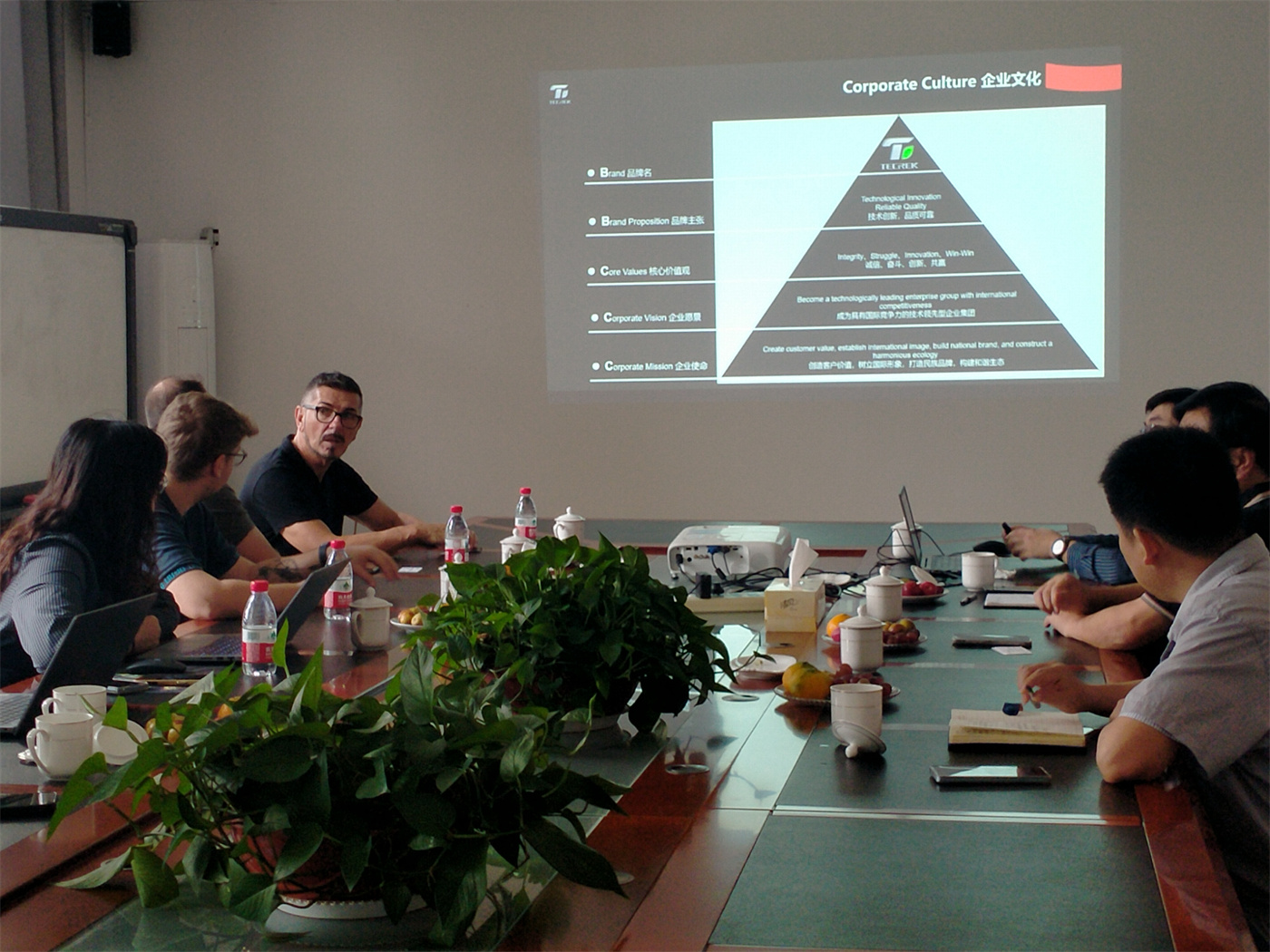
In the afternoon, a special seminar was held in the factory meeting room. The projection screen was comparing and playing the actual test videos of the two schemes: The horizontal automatic mode relies on electric lifting and intelligent sensing, which is suitable for flat roads in families, but has weak passability for steps and narrow gates in old residential areas. Manual ramps are flexible and portable, but they increase the cost of carrying accessories. The general manager of the factory introduced, “We have conducted research in European communities. The roads in the old town of southern Italy are full of undulations. Would a manual solution be more practical?” Ma Ke, an engineer from Youhu Group, refuted: “Elderly users are more looking forward to ‘zero operation’. If the automatic mode optimizes the sensing sensitivity, it can cover more household scenarios.” Both sides discussed ergonomics (from the perspective of the hatch opening), the EU EN17128 safety standard, and cost-sharing. Eventually, they reached a consensus: to conduct small-scale trial production of two versions, collect user feedback from different regions of Italy within three months, and then make targeted improvements.
Before leaving the factory, Lucia said, “Today’s test drive and discussion have shown us the extreme pursuit of barrier-free details in Chinese factories.” Looking forward to seeing the optimized samples in the first quarter of next year!” This transoceanic dialogue not only set the direction for product iteration but also conveyed the warmth of “Made in China” to the Apennine Peninsula through disability assistance vehicles.
Post time: Nov-20-2025